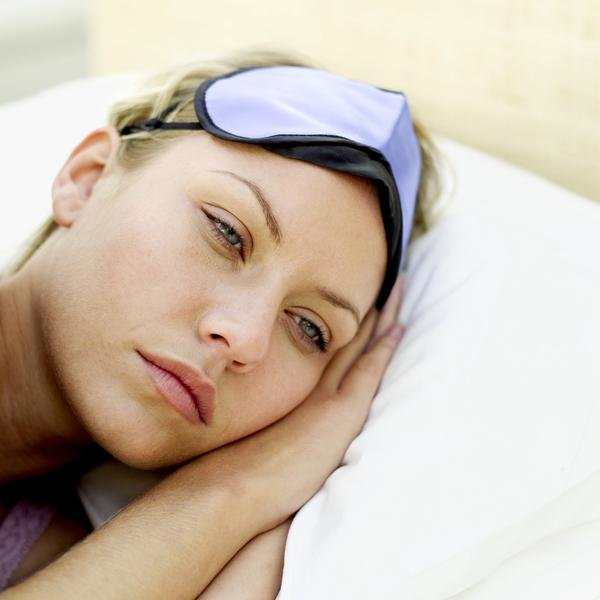
If you're waking up at 3 a.m. drenched in sweat, lying awake with a mind that won't quiet, or simply never reaching that deep, restorative sleep you used to take for granted — you are not alone, and you are not imagining it.
Sleep disruption is one of the most common and most underaddressed symptoms of perimenopause and postmenopause. Research suggests that 40–60% of women in this transition report significant sleep problems. And yet, most are told to 'try melatonin' or simply 'accept it as part of aging.'
That advice isn't good enough. Let's talk about what's actually happening in your body, and what you can do — starting tonight.
Why Hormones Wreck Your Sleep
Sleep is exquisitely sensitive to hormonal fluctuations. During perimenopause and postmenopause, three major shifts disrupt your sleep architecture in overlapping ways.
1. Estrogen Decline
Estrogen plays a surprising role in sleep regulation. It supports serotonin production (your mood and relaxation neurotransmitter), helps maintain body temperature stability, and influences REM sleep depth. As estrogen drops, you lose these protective effects — contributing to lighter sleep, more frequent awakenings, and a harder time falling back asleep.
2. Progesterone Loss
Progesterone is your 'calm down' hormone. It has a natural sedative effect by enhancing GABA — the brain's primary inhibitory neurotransmitter. Progesterone also reduces respiratory drive, which is why postmenopausal women have significantly increased rates of sleep-disordered breathing and sleep apnea. When progesterone falls, anxiety often increases and sleep becomes more fragmented.
3. Vasomotor Symptoms: Hot Flashes & Night Sweats
Hot flashes don't just happen while you're awake. Nighttime hot flashes — called night sweats — can trigger partial or full awakenings dozens of times per night, even when you don't fully remember them. Research shows that even subclinical hot flashes (ones you don't consciously feel) can measurably disrupt sleep staging. You may feel like you 'slept through the night' but wake exhausted because your sleep was never deep enough.
4. Cortisol Dysregulation
The HPA axis (your stress response system) becomes less regulated as ovarian hormones decline. This can result in cortisol peaks at the wrong time — often in the early morning hours (2–4 a.m.), causing wide-awake alertness that feels completely involuntary. This is especially common in women with high stress loads, blood sugar instability, or thyroid dysfunction.
The Sleep Architecture Problem
It's not just about quantity — it's about quality. Healthy sleep cycles through multiple stages: light sleep (N1/N2), deep slow-wave sleep (N3), and REM. Each serves a different purpose:
Deep slow-wave sleep (N3): physical repair, immune function, growth hormone release, glucose regulation
REM sleep: emotional processing, memory consolidation, nervous system restoration
During menopause, both N3 and REM are disproportionately disrupted. Women often spend more time in lighter stages — technically 'asleep' but not recovering. This is why you can log eight hours and still feel depleted.
Evidence-Based Strategies That Actually Work
Clinical Note These recommendations are drawn from sleep medicine, integrative women's health, and pelvic PT research. Always discuss significant sleep disruption with your healthcare provider, especially before starting supplements or HRT.
Hormone Therapy: The Most Effective Intervention
For women with moderate-to-severe vasomotor symptoms, hormone replacement therapy (HRT) or menopausal hormone therapy (MHT) is the gold-standard treatment — not just for hot flashes, but for sleep itself. Studies show HRT reduces nighttime awakenings, increases slow-wave sleep, and decreases sleep onset latency. If you haven't had a conversation with your provider specifically about sleep and hormones, ask for one.
Bioidentical progesterone (oral micronized, taken at bedtime) has the most evidence for sleep benefit due to its GABA-enhancing properties. Transdermal estradiol is preferred for women with cardiovascular or clotting concerns.
Sleep Hygiene — But Make It Menopause-Specific
Standard sleep hygiene advice is a starting point, but it needs to be adapted for the menopausal body:
Keep your bedroom cool (65–68°F). Cooling mattress toppers and moisture-wicking sheets are not a luxury — they're clinical tools.
Avoid alcohol, even one glass. Alcohol fragments sleep architecture, worsens night sweats, and disrupts REM — even when it initially helps you fall asleep faster.
Maintain a consistent wake time, even on weekends. This anchors your circadian rhythm, which becomes more fragile with age.
Limit screens 60–90 minutes before bed. Blue light suppresses melatonin production, which is already lower in postmenopausal women.
Time your last meal 2–3 hours before sleep. Blood sugar drops overnight can trigger cortisol release and middle-of-the-night waking.
Nervous System Regulation: The Pelvic PT Perspective
This is where we as physical therapists come in. The pelvic floor and the autonomic nervous system are deeply interconnected. A hypertonic (overactive) pelvic floor is often a sign of chronic sympathetic (fight-or-flight) dominance — which directly impairs sleep quality.
Women who carry tension in their pelvic floor often also carry it in their jaw, neck, shoulders, and diaphragm. This whole-body tension keeps the nervous system in a low-grade state of alert that makes deep sleep physiologically difficult to achieve.
Therapeutic interventions that support sleep through nervous system regulation include:
Diaphragmatic breathing and extended exhale techniques (activates the parasympathetic nervous system)
Progressive muscle relaxation, especially focused on the pelvic floor, inner thighs, and abdomen
Pelvic floor downtraining for women with hypertonicity
Yoga Nidra or body scan meditations before sleep
Vagal toning exercises (humming, cold water face splash, slow nasal breathing)
Targeted Supplement Support
While supplements are not a substitute for addressing root causes, several have strong evidence for sleep support in menopausal women:
Magnesium glycinate or threonate (300–400 mg at bedtime): supports GABA, muscle relaxation, and cortisol regulation — one of the most evidence-supported interventions for sleep quality
Phosphatidylserine (100–300 mg): helps blunt nighttime cortisol spikes; particularly helpful for the 3 a.m. wake-up pattern
L-theanine (200 mg): promotes calm alertness and can ease sleep onset without sedation
Ashwagandha (KSM-66, 300–600 mg): adaptogenic support for HPA axis dysregulation; evidence for reducing sleep onset latency and improving sleep quality scores
Melatonin (low dose, 0.5–1 mg timed release): most useful for sleep onset issues; postmenopausal women often respond better to lower doses than the 10 mg commonly sold
Note on supplements Quality matters significantly. Look for third-party tested products with standardized extracts. Avoid big-box store brands.
Blood Sugar Stability
This connection is underappreciated. Overnight blood sugar drops trigger cortisol release as part of your body's emergency response — waking you up in the early morning hours with that alert, anxious feeling. Stabilizing blood sugar through the night can dramatically improve sleep continuity.
Strategies include: a small protein-fat snack before bed if needed (e.g., a tablespoon of almond butter), prioritizing protein at dinner, reducing refined carbohydrates at the evening meal, and managing insulin resistance with your healthcare team if indicated.
Cognitive Behavioral Therapy for Insomnia (CBT-I)
CBT-I is the most evidence-based non-pharmacological treatment for chronic insomnia and has been specifically studied in menopausal women. It works by addressing the sleep-disrupting thought patterns and behaviors that develop around insomnia. It typically involves sleep restriction, stimulus control, and cognitive restructuring delivered over 6–8 weeks.
If your sleep problems have become chronic (more than 3 months), CBT-I delivered by a trained provider or through a validated digital program (like Sleepio or Somryst) should be considered
When to Seek Further Evaluation
Persistent sleep disruption warrants a deeper look. Consider evaluation for:
Sleep apnea: Rates increase sharply after menopause. You don't need to snore loudly to have it. Unrefreshing sleep, morning headaches, or partner-reported apnea episodes are red flags.
Thyroid dysfunction: Low or suboptimal thyroid function disrupts sleep architecture and is common in perimenopausal women.
HPA axis dysregulation: A DUTCH test or 4-point salivary cortisol can help identify whether cortisol patterns are contributing to insomnia.
Restless legs syndrome (RLS): More common in postmenopausal women; iron deficiency is a key driver.
Depression and anxiety: Bidirectionally linked with sleep — not always possible to know which came first, and both need to be addressed.
The Bottom Line
Sleep disruption in menopause is real, it's physiological, and it is treatable. You don't have to white-knuckle through years of exhaustion or accept it as an inevitable consequence of getting older.
A comprehensive approach — one that addresses hormones, nervous system function, lifestyle, and when needed, targeted support — can genuinely transform sleep quality. At Sharp Ortho & Pelvic Physical Therapy, I work with women to address the musculoskeletal and nervous system pieces of this picture as part of a full-spectrum approach to menopausal wellness.
If you're ready to take a more strategic approach to your sleep and overall health during this transition, I’d love to talk. My Thrive Through Menopause program was designed specifically for women navigating exactly this season of life!