If your tailbone pain seems to flare with certain activities and ease with others, you're picking up on real patterns — coccydynia is very sensitive to daily habits. Here are five of the most common culprits, and what to do instead.
1. Sitting on Hard, Flat Surfaces
Hard chairs, bleachers, and car seats put direct pressure right on the coccyx, especially if you tend to sit leaned back.
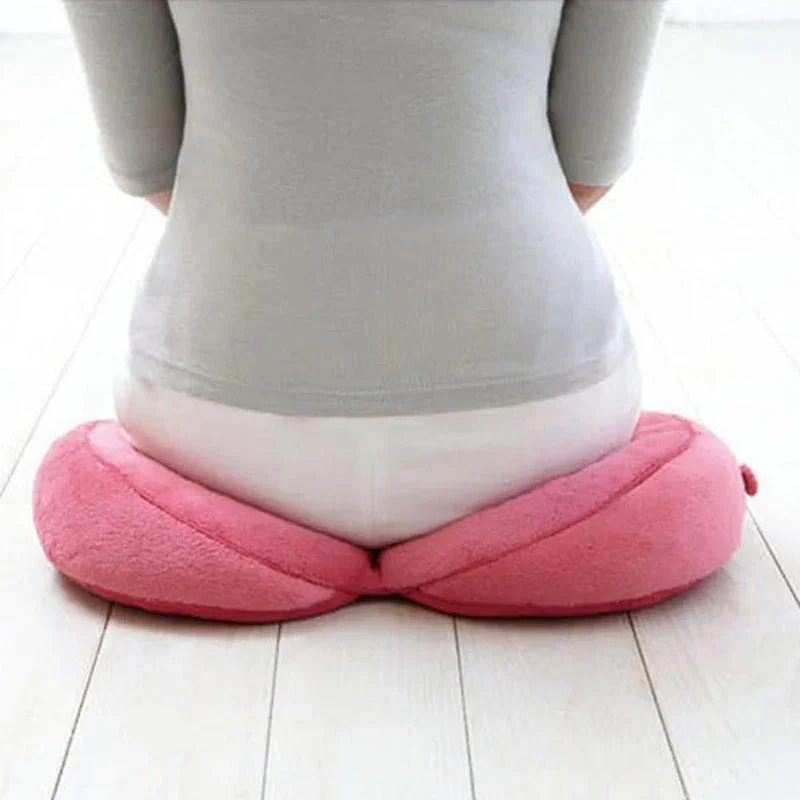
Instead: Use a cushion with a cutout or "U" shape at the back — not a standard donut cushion, which can actually increase pressure around the tailbone rather than relieving it. Sit slightly forward with your weight on your sit bones rather than leaning back.
2. Slouched Sitting Posture
Slumping shifts your pelvis into a position that tilts the tailbone directly into the seat, increasing pressure exactly where it hurts most.
Instead: Sit with a slight forward pelvic tilt, shoulders stacked over hips, and feet flat on the floor. A small lumbar support can help maintain this without you having to consciously hold it all day.
3. Prolonged Sitting Without Breaks
Even good posture becomes a problem if it's held for hours without movement. Tissue around the coccyx doesn't like sustained compression.
Instead: Stand or shift position every 30–45 minutes. Short walks or simply standing to work for a few minutes can meaningfully reduce flare-ups over the course of a day.
4. Constipation and Straining
Straining during bowel movements increases pressure through the pelvic floor and can directly aggravate coccyx pain, especially if the pelvic floor muscles are already tense.
Instead: Stay well hydrated, prioritize fiber, and consider a footstool to elevate your knees above your hips while on the toilet — this position reduces straining and pelvic floor tension.
5. Avoiding All Movement Out of Fear
It's a natural instinct to move as little as possible when something hurts, but staying still can allow the surrounding muscles to stiffen and guard further, prolonging the problem.
Instead: Gentle, guided movement — not necessarily targeting the tailbone directly — helps keep the pelvic floor and hips from becoming more restricted. This is exactly where a personalized physical therapy program makes the difference between "resting it" and actually healing it.
The Common Thread
Most of these factors have one thing in common: they all put pressure or tension on the pelvic floor, not just the tailbone bone itself. That's why home remedies like cushions and posture tweaks can help but rarely resolve the pain completely — the muscles around the coccyx usually need direct, hands-on treatment to fully calm down.
If you've tried the cushion, the posture fixes, and the breaks from sitting, and you're still hurting, that's a sign it's time for a proper evaluation rather than another home remedy.
Learn more about tailbone pain and coccydynia treatment at Sharp Ortho & Pelvic Physical Therapy, or call 205-515-0258 to schedule an evaluation.
Sharp Ortho & Pelvic Physical Therapy Kaye Sharp, MPT, WHC | 2481 Valleydale Rd, Hoover, AL 35244 | 205-515-0258 | sharpphysicaltherapy.com