Physical Therapy

10 Benefits of Yoga for Your Pelvic Floor

10 Benefits of Yoga for Your Pelvic Floor | Sharp Ortho & Pelvic PT
Women's Health Education

10 Benefits of Yoga
for Your Pelvic Floor

How mindful movement supports bladder, bowel, core, and sexual health across every stage of a woman's life.

By Kaye Sharp, MPT, WHC Sharp Ortho & Pelvic Physical Therapy Hoover, AL

The pelvic floor is a group of muscles, ligaments, and connective tissues that form the base of your core — supporting your bladder, bowel, uterus, and spine. When these muscles are too tight, too weak, or poorly coordinated, the effects ripple out into every area of life. Yoga, practiced mindfully, is one of the most powerful tools we have for restoring pelvic floor health. Here's why.

01
Improves Pelvic Floor Awareness

Breath-focused yoga helps you consciously tune into, activate, and release your pelvic floor muscles — many of which are chronically held tight without your awareness. This interoceptive connection is the foundation of all pelvic floor rehabilitation.

02
Promotes Healthy Muscle Lengthening

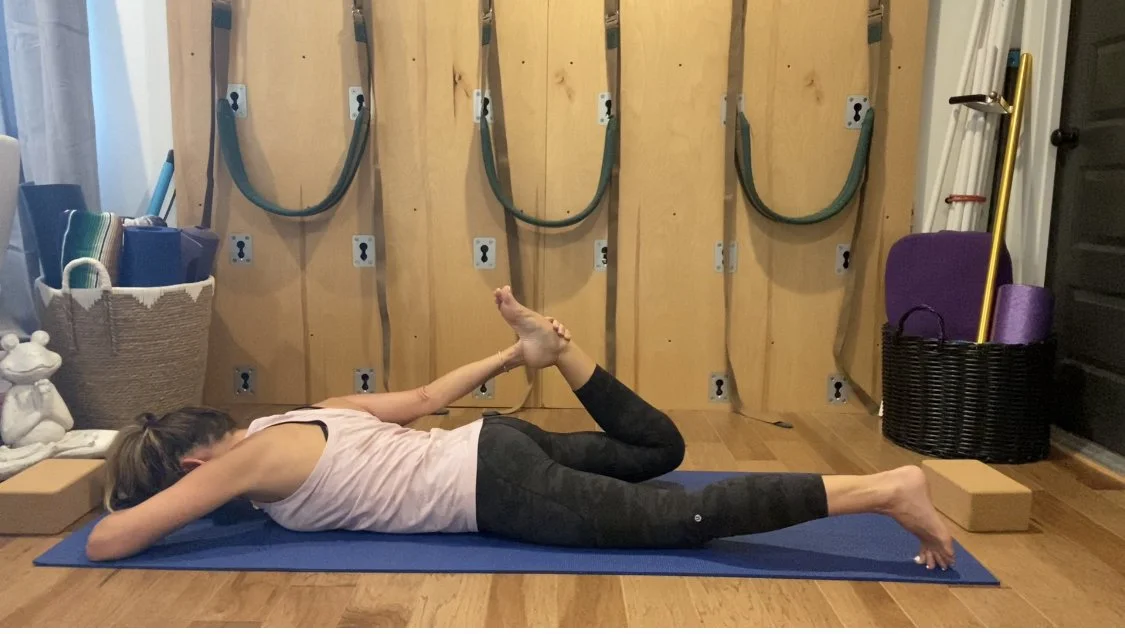
Poses like deep squat (Malasana) and Happy Baby gently stretch the pelvic floor, counteracting the tension patterns common with chronic stress, pain, or trauma. A pelvic floor that can fully lengthen is just as important as one that can contract.

03
Strengthens Through Functional Movement

Poses like Warrior and Bridge activate the glutes, deep core, and pelvic floor together — building integrated, real-world strength that isolated Kegel exercises alone cannot provide. This is how your body actually functions in daily life.

04
Reduces Intra-Abdominal Pressure

Yoga teaches diaphragmatic breathing and breath-movement coordination, which reduces the downward pressure on your pelvic floor during daily activities like lifting, coughing, sneezing, or exercising. This is essential for preventing and healing prolapse and incontinence.

05
Supports Bladder & Bowel Health

Restorative poses and parasympathetic (rest-and-digest) activation can ease urinary urgency, frequency, and constipation by calming the nervous system and releasing pelvic tension. For many women, bladder symptoms are a nervous system problem as much as a muscle problem.

06
Improves Sexual Health & Comfort

By reducing pelvic floor tension and improving body awareness and nervous system regulation, yoga can support improved arousal, lubrication, and reduced pain with intercourse (dyspareunia) — particularly important during and after menopause.

07
Reduces Pelvic Pain

Mindful movement and nervous system downregulation through yoga help interrupt the pain-tension-guarding cycle that is common in pelvic floor dysfunction, endometriosis, interstitial cystitis, and chronic pelvic pain conditions.

08
Supports Core & Lumbopelvic Stability

Yoga reinforces the synergy between your diaphragm, deep abdominals (transverse abdominis), pelvic floor, and multifidus — the four pillars of inner core function that protect your spine, pelvis, and hips.

09
Regulates the Nervous System

The parasympathetic activation from yoga — especially restorative and yin styles — directly reduces the pelvic floor guarding driven by chronic stress, anxiety, or unresolved trauma. You cannot heal a nervous-system-driven pelvic floor without addressing the nervous system.

10
Supports Hormonal Transitions

For perimenopausal and postmenopausal women, yoga helps manage cortisol, supports restorative sleep, and mitigates the pelvic floor changes associated with declining estrogen — including tissue thinning, reduced elasticity, and increased bladder sensitivity.

The Bottom Line

Yoga is not a replacement for pelvic floor physical therapy — but it is one of the most powerful complements to it. When practiced with awareness and proper breath mechanics, yoga can transform your relationship with your pelvic floor, your body, and your symptoms.

Ready to Get Started?

Book a one-on-one session with Kaye Sharp, MPT, WHC. With 30 years of experience in orthopedic and pelvic floor PT, Kaye will create a personalized plan that integrates movement, breath, and yoga to support your healing.

Book Your Session →

Sharp Ortho & Pelvic Physical Therapy

2481 Valleydale Road, Hoover, AL 35244  |  205-515-0258  |  sharpphysicaltherapy.com

Kaye Sharp, MPT, WHC  ·  Women's Health Coach, Integrative Women's Health Institute

That aching outer hip isn't just "getting older" — here's what's really going on (and how to fix it)

Why are your hips hurting??

That aching outer hip isn't just "getting older" — here's what's really going on (and how to fix it)

If you're a woman in your 40s, 50s, or beyond and you've been dealing with persistent pain on the outside of your hip — especially when you lie on that side at night, climb stairs, or sit for too long with your legs crossed — there's a good chance your gluteus medius tendon is involved.

Gluteus medius tendinopathy is one of the most under-diagnosed causes of lateral hip pain in women, and menopause is one of the biggest reasons it develops. At Sharp Ortho & Pelvic Physical Therapy, we treat this condition every week — and the good news is that with the right approach, it responds very well.

What is the gluteus medius, and why does it hurt?

The gluteus medius is the muscle on the outer part of your pelvis that keeps you from wobbling side to side when you walk. Its tendon attaches to the bony point on the outside of your hip (the greater trochanter). When that tendon becomes overloaded or compressed, it becomes painful and irritated — a condition called tendinopathy.

Why menopause makes this so much more common

This isn't random timing. After menopause, estrogen — which directly supports tendon strength and collagen production — drops dramatically. That means the tendon becomes less resilient, more vulnerable to overload, and slower to recover. Combine that with natural muscle loss (sarcopenia), changes in body composition, and shifts in how we move, and the gluteus medius tendon is under real stress.

As a Women's Health Coach and pelvic PT with 30 years of orthopedic experience, I also see something many providers miss: the connection between hip pain and the pelvic floor. The muscles and fascia that surround the hip are directly linked to the pelvic floor. When the hip isn't working well, the pelvic floor often isn't either — and vice versa. That's why our treatment always looks at the whole picture.

Signs you may have gluteus medius tendinopathy

  • Aching or sharp pain on the outside of one or both hips

  • Pain that worsens when lying on your side — or on the opposite side

  • Discomfort when sitting with your legs crossed or in low chairs

  • Hip pain going up stairs, walking hills, or standing on one leg

  • Pain that seems to come and go but never fully resolves

What does treatment actually look like?

Contrary to what many women are told, rest is not the answer. Tendons need the right kind of movement to heal. Our evidence-based program progresses through three stages:

  • Phase 1: Gentle isometric exercises that calm pain without aggravating the tendon — no stretching, no compression

  • Phase 2: Progressive strengthening to restore hip and pelvic control, including retraining how your body moves in daily life

  • Phase 3: Functional loading — building tendon capacity for walking, stairs, exercise, and everything you want to do

We also address posture habits, sleep positions, and — because this is a postmenopausal issue — nutritional factors like protein intake, collagen support, and vitamin D that directly affect how well your tendon can heal.

You don't have to just live with this

Lateral hip pain is incredibly common in women after menopause, but it isn't inevitable — and it's very treatable. Most of our patients see meaningful improvement within the first 3–4 weeks when they commit to the program.

If you're dealing with outer hip pain and want answers, we'd love to help. Sharp Ortho & Pelvic Physical Therapy serves women at every stage of life from our Hoover, AL clinic. Call us at (205) 515-0258 or visit sharpphysicaltherapy.com to schedule your evaluation.

Tags: lateral hip pain, gluteus medius, menopause and hip pain, pelvic floor physical therapy, women's health Hoover AL, postmenopausal pain, hip tendinopathy

Pelvic Floor Therapy in Hoover, AL: What Women in Birmingham Should Know

Pelvic Floor PT in Hoover, AL: What Women in Birmingham Should Know | Sharp PT Blog

Pelvic Floor PT in Hoover, AL: What Women in Birmingham Should Know

Every week, women come into my Hoover clinic having waited years — sometimes more than a decade — to address a pelvic floor problem they assumed was just part of life. Leaking when they sneeze. Rushing to the bathroom with no warning. Pelvic pressure they've been ignoring since their last delivery. This guide is for every woman in the Birmingham area who has wondered whether pelvic floor physical therapy might help her — and hasn't yet had someone explain it clearly.

What Is Pelvic Floor Physical Therapy?

The pelvic floor is a group of muscles, connective tissue, and nerves that form the base of your pelvis. Like any muscle group in your body, it can become too weak, too tight, uncoordinated, or injured — and when it does, it affects bladder control, bowel function, pelvic comfort, sexual health, and core stability.

Pelvic floor physical therapy is specialized, hands-on PT that evaluates and treats dysfunction in these muscles and the structures connected to them. It is evidence-based, individualized, and — I say this because women often worry — not painful.

Important: Pelvic floor PT is not just Kegel exercises. A thorough evaluation first determines whether your pelvic floor is weak, tight, or uncoordinated — because the treatment for each is completely different. Many women with incontinence actually have an overactive, too-tight pelvic floor, and Kegels make it worse.

What Does Pelvic Floor PT Treat?

Women in the Hoover and Birmingham area seek pelvic floor PT for a wide range of conditions. These are among the most common I see in my clinic:

Stress urinary incontinence
Urge incontinence
Mixed incontinence
Pelvic organ prolapse
Pelvic pain & pressure
Painful intercourse (dyspareunia)
Vaginismus
Postpartum recovery
Diastasis recti
Interstitial cystitis
Bladder urgency & frequency
Menopause pelvic changes

Many of these conditions overlap — a woman dealing with postpartum recovery may also have diastasis recti, some urinary leakage, and pelvic pain. A comprehensive evaluation looks at all of it together, not as isolated complaints.

Who Should See a Pelvic Floor PT?

One of the most common things I hear is: "I didn't know physical therapy could help with this." Pelvic floor PT is appropriate for women across the entire lifespan — not just postpartum women, and not just older women.

You may benefit from pelvic floor PT if you:

  • Leak urine when you sneeze, cough, laugh, jump, or exercise
  • Feel a sudden, urgent need to get to the bathroom and sometimes don't make it
  • Experience heaviness or pressure in your pelvis — especially at the end of the day or after standing
  • Have pain with intercourse or penetration
  • Are postpartum and haven't had a formal pelvic assessment
  • Are in perimenopause or menopause and noticing new bladder, pelvic, or sexual symptoms
  • Have chronic low back, hip, or tailbone pain that hasn't fully resolved
  • Are preparing for or recovering from pelvic or abdominal surgery

If you recognize yourself in any of those descriptions, pelvic floor PT is worth a conversation. You do not need to be "bad enough" to seek care. Earlier intervention consistently leads to better outcomes — and shorter treatment courses.

What Happens at Your First Visit?

A first pelvic floor PT appointment at my Hoover clinic typically runs 60–75 minutes. Here's what to expect:

1
Comprehensive health history
We discuss your symptoms, medical history, obstetric history, lifestyle, and goals. Context matters enormously in pelvic health — I want to understand your whole picture, not just the chief complaint.
2
Orthopedic assessment
Your posture, movement patterns, hip mobility, lumbar spine, and sacroiliac joint are evaluated. The pelvic floor doesn't exist in isolation — it is part of an interconnected system.
3
Pelvic floor evaluation
With your full, informed consent, this includes external assessment of pelvic floor function and, when appropriate, an internal exam to evaluate muscle tone, strength, coordination, and any trigger points or scar tissue.
4
Your personalized plan
You leave the first visit with a clear explanation of what we found, what is driving your symptoms, and a specific treatment plan. No vague instructions. No generic handouts.

Do You Need a Doctor's Referral?

No. Alabama is a direct access state for physical therapy, which means you can schedule an evaluation at Sharp Ortho & Pelvic PT without a physician's referral. You call, you schedule, you come in.

That said, some insurance plans do require a referral for coverage — so it's worth calling your insurance provider before your first visit to confirm your specific plan's requirements. I'm also happy to coordinate with your OB-GYN, midwife, or primary care provider if you prefer that collaborative approach.

Is Pelvic Floor PT Covered by Insurance?

Many insurance plans cover pelvic floor physical therapy when it is medically necessary — which, for most of the conditions listed above, it is. Coverage varies by plan, so I recommend calling the member services number on your insurance card and asking specifically about "pelvic floor physical therapy" and "women's health PT."

I also offer transparent cash-pay options for patients who prefer to bypass insurance. Call my office and we can walk through what makes sense for your situation.

Why Women Across Birmingham Choose Sharp PT in Hoover

There are PT clinics throughout the Birmingham metro area. What brings women specifically to my Valleydale Road clinic is the depth of specialization — and the fact that you will always work directly with me, not an aide or a rotating provider.

With 30 years of orthopedic physical therapy experience and a Women's Health Coach credential from the Integrative Women's Health Institute, I bring a perspective that goes beyond treating a symptom in isolation. Pelvic floor dysfunction in a 45-year-old woman in perimenopause looks entirely different from the same symptom in a 28-year-old six weeks postpartum. The evaluation, the treatment, and the goals are different — and should be treated that way.

Women come from Hoover, Vestavia Hills, Mountain Brook, Homewood, Pelham, and throughout the Birmingham area. If you've been looking for a pelvic floor specialist in Alabama, I'd love to talk.

Sharp Ortho & Pelvic Physical Therapy · 2481 Valleydale Road, Hoover, AL 35244
205-515-0258 · sharpphysicaltherapy.com
This content is for informational purposes only and does not constitute medical advice. Consult a qualified healthcare provider for diagnosis and treatment.

Hormones and the Pelvic Floor: What is Going on DOWN THERE?

Hormonal changes are an inevitable part of being a woman. Beginning with puberty, hormones are the driving force behind every phase of life…. affecting not only your reproductive organs (ovaries and uterus), but also the musculoskeletal system (muscles and joints), the cardiovascular system (heart and lungs), the brain (cognition and emotions), the immune system, and just about every process in the body.

Hormones reach their peak in the reproductive years (20’ and 30’s) then slowly start to slide chaotically downhill as you reach perimenopause and menopause (40’, 50’s, 60’s and beyond). Some research shows that women spend about 10 years in the perimenopausal phase ; reporting multiple physical, emotional, cognitive, and autoimmune changes in their bodies. Many women become over medicated with pharmacological remedies that act as a bandaid but do not really improve longevity or quality of life.

Many women experience major pelvic floor issues during this time including :vaginal dryness, atrophy, pelvic pain, chronic UTIs, interstitial cystitis, urinary/fecal leakage, constipation, prolapse, pain with intercourse and low desire. More often than not, these symptoms go untreated and undiagnosed for 2 reasons:

  1. Women have come to believe that this is a normal part of aging so they do not talk to their doctor about it

  2. Doctors do not know enough about hormone changes or pelvic floor dysfunction to offer viable treatments beyond pharmaceuticals

How do hormonal changes cause problems DOWN THERE? Vaginal tissues have a huge amount of hormone receptors, especially estrogen and testosterone. Hormones keep the muscles and tissues of the pelvic floor vibrant, juicy, and flexible so they can perform their many functions in the body. As hormone levels drop during perimenopause and menopause these muscles and tissues become weaker , making it difficult to function properly. This leads to organ prolapse , leakage, and many other symptoms.

The pelvic floor is actually 3 layers of muscles that form a bowl that supports the organs in the body as part of the core.

How do we manage these changes? The goal of optimizing health as a woman is to glide through this time of hormonal chaos with ease and grace. The way you eat, move, think, and sleep are the primary drivers to managing your health. You will find that the things you did in your 20’s and 30’s don’t work anymore. Finding the right lifestyle plan for your body is the key. Having a pelvic floor assessment is the best way to determine the root cause of your symptoms DOWN THERE. Health coaching is a great way to determine exactly where you are in your journey and determine a plan to move forward. Getting advice on menopausal hormone therapy to not only mitigate symptoms, but to protect your heart, muscles, bones, and brain from the horrible effects of low estrogen (yes- I’m talking about heart disease, muscle atrophy, osteoporosis, and dementia).

Scheduling your pelvic floor assessment is a great first step in your journey to reclaim your health and live a longer life with less dis-ease!

What is a pelvic floor assessment? What should I expect?? As a physical therapist with 30 years of patient care experience including orthopedics, women’s health and nutrition coaching, longevity training, and pelvic floor rehab…. I perform a holistic and comprehensive assessment of each and every patient. This includes evaluating posture and alignment, muscle asymmetries, and fascial restrictions in the whole body. We also discuss nutrition, life stressors, exercise, sleep habits, and family support. An internal assessment is performed to determine muscle tone and function of the pelvic floor muscles (this is optional depending on patient comfort level). All of this information is molded together to determine your specific pathway to healing. Recommendations may include: relaxation techniques, strengthening and stretching exercises, natural supplements and adaptogens, nourishing foods, hydration, and sleep hygiene.

If you have questions about hormonal balance and what is going on DOWN THERE then contact me today for a complementary 15 minute phone consultation :)


How do I know if I have a pelvic floor dysfunction?

Pelvic Floor Therapy provides solutions that you may not know exist…to problems that you may not even realize you have.

How do I know if I have a pelvic floor dysfunction?

If you have one or more of these symptoms, then you likely have a pelvic floor dysfunction and would benefit from an evaluation from a Pelvic Health Therapist:

  • I sometimes have pelvic pain (in genitals, perineum, pubic or bladder area, or pain with urination) that exceeds a ‘3’ on a 1-10 pain scale, with 10 being the worst pain imaginable

  • I can remember falling onto my tailbone, lower back, or buttocks (even in childhood)

  • I sometimes experience one or more of the following urinary symptoms

    • Accidental loss of urine

    • Feeling unable to completely empty my bladder

    • Having to void within a few minutes of a previous void

    • Pain or burning with urination

    • Difficulty starting or frequent stopping/starting of urine stream

  • I often or occasionally have to get up to urinate two or more times at night

  • I sometimes have a feeling of increased pelvic pressure or the sensation of my pelvic organs slipping down or falling out

  • I have a history of pain in my low back, hip, groin, or tailbone or have had sciatica

  • I sometimes experience one or more of the following bowel symptoms

    • Loss of bowel control

    • Feeling unable to completely empty my bowels

    • Straining or pain with a bowel movement

    • Difficulty initiating a bowel movement

  • I sometimes experience pain or discomfort with sexual activity or intercourse

  • Sexual activity increases one or more of my other symptoms

  • Prolonged sitting increases my symptoms

Pelvic floor dysfunction is more common than you might think. Many symptoms that women struggle with DAILY have been normalized and often become chronic if not treated. If you have any of these symptoms please consider getting a consultation with a holistic women's health provider. You'll be surprised at how life changing pelvic floor therapy can be!!!

Contact Kaye for a complimentary 15 minute chat to discuss your symptoms and answer your questions

205-515-0258 kaye@sharpphysicaltherapy.com

What is the "Unlocking Your Pelvic Floor Workshop"?

I am so excited to be offering this deep dive into a VERY important aspect of women’s health….the PELVIC FLOOR! This workshop will be offered at several different locations in the Birmingham, Al area including:

Rest & Digest Wellness 10/15/23 2-3:30pm

Yoga Lab Bham 11/12/23 1:30-3:30pm (provides CEU’s for Yoga Alliance)

Essential Mvmt Pilates TBA

and more in the works…let me know if you have suggestions!!

Who is this workshop appropriate for?

Any person with a pelvic floor!

Actually, men have pelvic floors, too :) But, my particular passion and focus for this workshop is on the vagina-owning community.

In this workshop, you can expect a supportive and inclusive environment where you will feel comfortable discussing and exploring your pelvic floor health. The instructor, Kaye Sharp MPT, WHC, E-RYT, is trained in pelvic floor physical therapy and has extensive experience working with individuals with various pelvic floor conditions.

This workshop is suitable for individuals of all ages and fitness levels, including those who are pregnant, have recently given birth, experienced trauma, or are simply looking to improve their pelvic floor health. Whether you are a beginner or have some prior knowledge of pelvic floor exercises, this workshop will provide you with valuable tools to optimize your health and UNLOCK your pelvic floor!

What to expect:

1. Understand the anatomy and function of the pelvic floor highlighting the pelvic floor muscles and their role in supporting the pelvic organs, controlling urinary and bowel function, and maintaining sexual health.

2. Identify and address common signs and symptoms of pelvic floor dysfunction, such as pelvic pain, urinary incontinence, and pelvic organ prolapse. You will learn how to recognize these issues and explore strategies to address them effectively.

3. Many individuals experience tightness and tension in their pelvic floor muscles, which can contribute to pain and dysfunction. This workshop will introduce you to specific exercises and stretches that can help you release tension and improve flexibility, manage pressure, and calm your nervous system .

4. Building strength in the pelvic floor muscles is crucial for maintaining their function and preventing issues like urinary incontinence and pelvic organ prolapse. You will go through a series of exercises that target these muscles, helping you develop strength and control in the hips and pelvis.

5. Integrate mindfulness and breath work which plays a significant role in pelvic floor health. We will explore techniques that promote relaxation and improve mind-body connection, allowing you to develop a deeper understanding and awareness of your pelvic floor.

Physical Therapy for the Things Women DON’T Want to Talk About…but SHOULD!

Women’s health issues can be difficult to talk about. Discussing embarrassing symptoms with a partner, spouse, or doctor can be traumatic for a lot of women, causing many conditions to become chronic and difficult to treat. But that doesn’t need to be the case. Are you struggling with?

  • Urinary or fecal leakage

  • Constipation

  • Pain with intercourse

  • Bladder issues or interstitial cystitis

  • Bowel issues including IBS

  • Endometriosis

  • Pregnancy related issues

  • Postpartum pain/tearing/diastis recti/cesarian recovery

  • Perimenopausal changes/dysregulated sleep

  • Low back or hip pain

  • Pelvic pain of any kind

If you are experiencing these symptoms you are not alone. Nearly every woman will experience at least one of these issues at some point. When this happens, the underlying issue is the health of the pelvic floor. The pelvic floor plays a crucial role in several bodily functions, including bladder and bowel control, sexual function, and stability in movement. However, issues such as pelvic pain, incontinence, and sexual dysfunction can have a significant impact on quality of life. Fortunately, physical therapy effectively and holistically addresses pelvic health symptoms and typically leads to a symptom free life.

Understanding Pelvic Health

The pelvis is a complex network of muscles, ligaments, and connective tissues that support the organs within it. When these structures become weakened, strained, or imbalanced, various pelvic health issues can arise. Common conditions include pelvic floor dysfunction, urinary or fecal incontinence (leakage when you laugh, cough, or sneeze is NEVER normal!), pelvic pain syndromes, and sexual dysfunction. These conditions can affect women of all stages of life including prenatal , postpartum , and perimenopausal. Other symptoms can manifest as IBS, chronic constipation, abdominal pain, lower back and hip pain, and other issues that don’t seem to resolve with conventional treatments.

How Can Physical Therapy Help?

Pelvic floor physical therapy focuses on assessing and addressing the musculoskeletal components of pelvic dysfunction as well as the nervous system. As a trained pelvic health physical therapist , I will perform a thorough evaluation to identify the root causes of your symptoms. Utilizing external and internal assessments to evaluate muscle strength, flexibility, and coordination within the pelvic region, together we will develop an individualized treatment plan tailored to your specific needs.

How are Pelvic Floor Issues Treated?

1. Pelvic Floor Muscle Training: Weak or tight pelvic floor muscles are often at the core of pelvic health issues. Breath work is used to affect the nervous system along with targeted exercises to strengthen or relax these muscles, depending on your condition.

2. Manual Therapy Techniques: Hands-on techniques, such as myofascial release or trigger point release, are used to address tight or painful areas within the pelvic region. Other treatments include dry needling and cupping to promote blood flow and healing.

3. Biofeedback: This technique helps you to gain awareness and control over your pelvic muscles by providing visual or auditory feedback on muscle activity. It aids in retraining the pelvic floor muscles to function optimally.

4. Education and Lifestyle Modifications: Learn valuable information regarding posture, body mechanics, dietary changes, and bladder/bowel habits. These lifestyle modifications can have a significant impact on pelvic health and overall well-being.

What are the Benefits of Pelvic Floor Therapy?

1. Improved Pelvic Floor Function: By targeting the underlying causes of your pelvic health issues, you will gain control over your pelvic floor muscles, leading to improved bladder and bowel control, decreased pain, and increased sexual satisfaction.

2. Enhanced Quality of Life: Pelvic health issues can significantly impact daily activities and personal relationships. Physical therapy offers a non-invasive and holistic approach to manage these issues, restoring your quality of life and overall confidence.

3. Prevention and Education: Pelvic health physical therapy is not only for those already experiencing issues; it can also serve as a preventative measure. By receiving proper pelvic health treatment and preventive exercises, women can maintain optimal pelvic health throughout their lives.

Pelvic health is an integral part of overall well-being, and physical therapy plays a vital role in addressing pelvic health concerns. By offering a comprehensive approach that combines education, targeted exercises, and lifestyle modifications, pelvic health physical therapy empowers individuals to regain control over their symptoms and return to the life they love! If you are experiencing any pelvic health issues, don't hesitate to contact Kaye Sharp MPT, WHC for a comprehensive evaluation and specialized care. Remember, investing in your pelvic health is an investment in your overall well-being!

Kaye Sharp MPT, WHC

Pelvic Health Specialist


What is Pelvic Misalignment?

Pelvic misalignment happens when the pelvis becomes tilted and /or rotated in an abnormal way. The pelvis is made of two separate bones that are joined together in the front by the symphysis pubis joint and in the back by the sacrum via the SI (sacroiliac) joints. These structures move as the hips and spine move. This movement is important during pregnancy to make plenty of room for baby. If the pelvis becomes abnormally aligned, it can cause symptoms such has:

  • Constant dull lower back ache, even while laying down

  • Hip pain especially after walking

  • Pelvic floor pain

  • Muscle tension in the lower back and neck

  • Pain in the shoulders, buttock, and neck

  • Foot pain

  • Unbalanced gait (walking)

What causes the pelvis to become misaligned? Pregnancy, chronic muscle imbalances, leg length discrepancy, and certain types of trauma can all be causes. In pregnancy, oftentimes the baby is rotated in one direction which places unequal weight on the lower portion on the pelvis. This causes increased stress on the already tightened structures as the baby grows. During birth, the pelvis widens for the baby and should return to its normal resting place in the weeks following childbirth. Many times this doesn’t happen…. and mom may not have symptoms until the 2nd pregnancy:( YIKES!

How can you get your pelvis back into alignment? First, you need a full evaluation by a skilled physical therapist to determine what structures are involved. The bones of the pelvis need to be realigned and corrective exercises prescribed to maintain the correct alignment. Eventually, progressing toward strengthening the pelvic girdle to ensure proper stability and mobility.

Remember, it is impossible to diagnose your own pelvic asymmetry. If you have symptoms then get evaluated to prevent further injury and pain!

Give it a try!

Kaye

Fix Your Tech Neck Part 2: 4 Simple Moves (laying down)

This is a follow up to Fix Your Tech Neck Part 1… moving on to neck stabilization exercises laying down. Try the sitting exercises in Part 1 first, starting out with 3 times per day. This will help to reduce tension on the structures in the back of the neck and reactive muscles for support. If you experience increased numbness or tingling in the arms or hands then you need further evaluation from a PT (call me). Perform these 4 simple exercises laying down in the morning and evening for best results.

Give it a try!

Fix Your Tech Neck Part 1: 4 Simple Moves (Sitting)

Tech Neck - also referred to as Text Neck- is the same name for an old issue: neck pain caused by repetitive strain from looking down at your cell phone, computer, or tablet. How do you know if you have Tech Neck? Check out these symptoms:

  • Pain in the back of the neck with looking down

  • Increasing neck stiffness that gets worse as the day goes on

  • Pain or discomfort that reaches into the shoulder blades

  • Tension headaches

  • Possible numbness and tingling in the arms and/or hands

  • Tightness in the front of the neck and shoulders (slumped posture)

  • Feeling like your head is heavy and needs more and more support

How does Tech Neck happen? When the head is pointed down (flexion) the weight of the cranium increases tension on the muscles, tendons, ligaments, and joints in the spine. Since a normal head weights approximately 10-12 pounds, the stress on these structures becomes more than the body can tolerated so the muscles have to elongate past their resting length. The muscles in the front of the neck become shortened and weak as a result. Over time, this can lead to impingement of the nerves going down the arm and causes more severe symptoms including numbness and tingling.

How can you fix Tech Neck? Stop looking down at your phone, computer, or tablet for hours on end. Make sure your device screen is at eye level, limit sitting for long periods of time, and do these simple sitting exercises 3 times per day. If your pain and symptoms persist, manual therapy and dry needling may be needed to get you back to baseline.

Give it a try!

PS- Try these 4 simple moves laying down for even more Tech Neck relief!

Shoulder Stability: 4 Simple Moves

Improving shoulder stability is KEY for preventing injuries …. especially as we age. The shoulder is very susceptible to overuse injuries because of the multiple attachments to the supporting tendons and ligaments. It is a multi-planar joint (meaning= it moves in ALL the directions)… much like the hip joint. Unfortunately, the shoulder sacrifices stability for mobility. This allows you to reach up into an overhead cabinet, reach back behind the body to scratch your back, and reach out to side to grab your purse from the back seat. When these movements become painful and/or limited = YOU HAVE A STABILITY PROBLEM!

The 4 muscles of the rotator cuff provide much of the stability for the shoulder joint (along with the deltoid and other muscles attached to the humerus). When these muscles are neglected or overused, we lose stability and, eventually, mobility suffers. Most of the time we don’t even realize the problem until the shoulder starts to hurt :( YIKES!

Over time, the structures providing support for the shoulder can become overused and inflamed causing pain and issues like:

  • impingement

  • bursitis

  • rotator cuff tears

  • labral tears

  • subluxation

  • bone spurs

  • adhesive capsulitis

This inflammation can be made worse by repetitive motions like tennis, golf, lifting weights overhead, baseball, or any other activity using the upper extremities. Posture also plays a major roll in shoulder health because it can cause fraying of the rotator cuff tendons and pressure on the bursa.

Injuries can be preventing by adding a few easy stability exercises to your warm up. These stability exercises focus on rotator cuff strengthening, increasing synovial fluid, and improving blood flow to the shoulder joint. All you need is a light to medium weight resistance band and about 5 minutes! Remember… the rotator cuff muscles are considered to be “postural muscles” and they respond best to low weight/ high repetition exercises. Perform these daily - add them to your current warm up program to keep your shoulders healthy and happy!!

Give it a try!

Shoulder Stability exercises using a light to medium weight looped resistance band. Give it a try!